
the big four
push pull squat & hinge
the big four
The "Big Four" for Metabolic Success
At Lancaster Metabolic Health, we focus on the Big Four movement patterns—Push, Pull, Squat, and Hinge—because they are the most efficient tools for body recomposition. These compound movements involve multiple joints and large muscle groups, making them far superior to isolated exercises for fat loss.
1. Maximum Caloric Expenditure
Because these exercises recruit a massive amount of muscle fibers simultaneously, they require a high amount of energy. Squatting or hinging (like a deadlift) burns significantly more calories per rep than a bicep curl or a calf raise, turning your workout into a high-intensity metabolic event.
2. Muscle Preservation in a Deficit
When you are on a medical weight loss protocol, your body needs a reason to keep its muscle. Heavy, compound movements send a powerful signal to the central nervous system to preserve lean mass. By maintaining muscle, you ensure your Basal Metabolic Rate (BMR) stays high, preventing the "metabolic adaptation" that often stalls weight loss.
3. The Afterburn Effect (EPOC)
The intensity of the Big Four creates Excess Post-exercise Oxygen Consumption (EPOC). This means your metabolism remains elevated for hours—sometimes even days—after your workout as your body works to repair muscle tissue and restore oxygen levels.
4. Hormonal Optimization
Compound lifting triggers a favorable hormonal response, including the release of growth hormone and testosterone. These hormones are essential for mobilizing stored body fat and building the lean, toned physique that supports long-term metabolic health.
The "Big Four" Simplified:
Push: Bench press, overhead press, or push-ups.
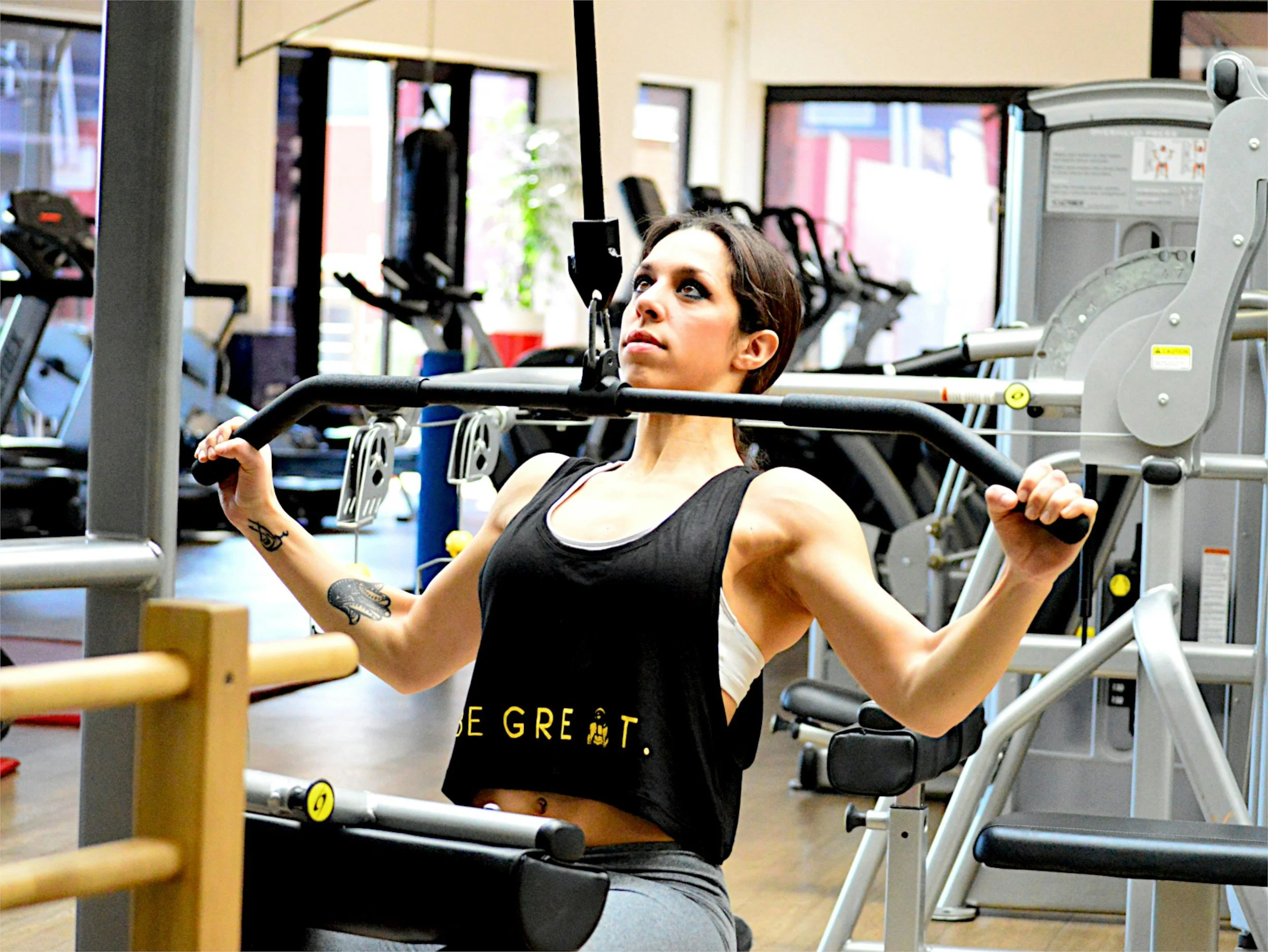
Pull: Rows, pull-ups, or lat pulldowns.
Squat: Goblet squats, back squats, or lunges.
Hinge: Deadlifts, kettlebell swings, or glute bridges.
By incorporating these into your routine, you aren't just "burning calories"—you are rebuilding your metabolism from the ground up.
push
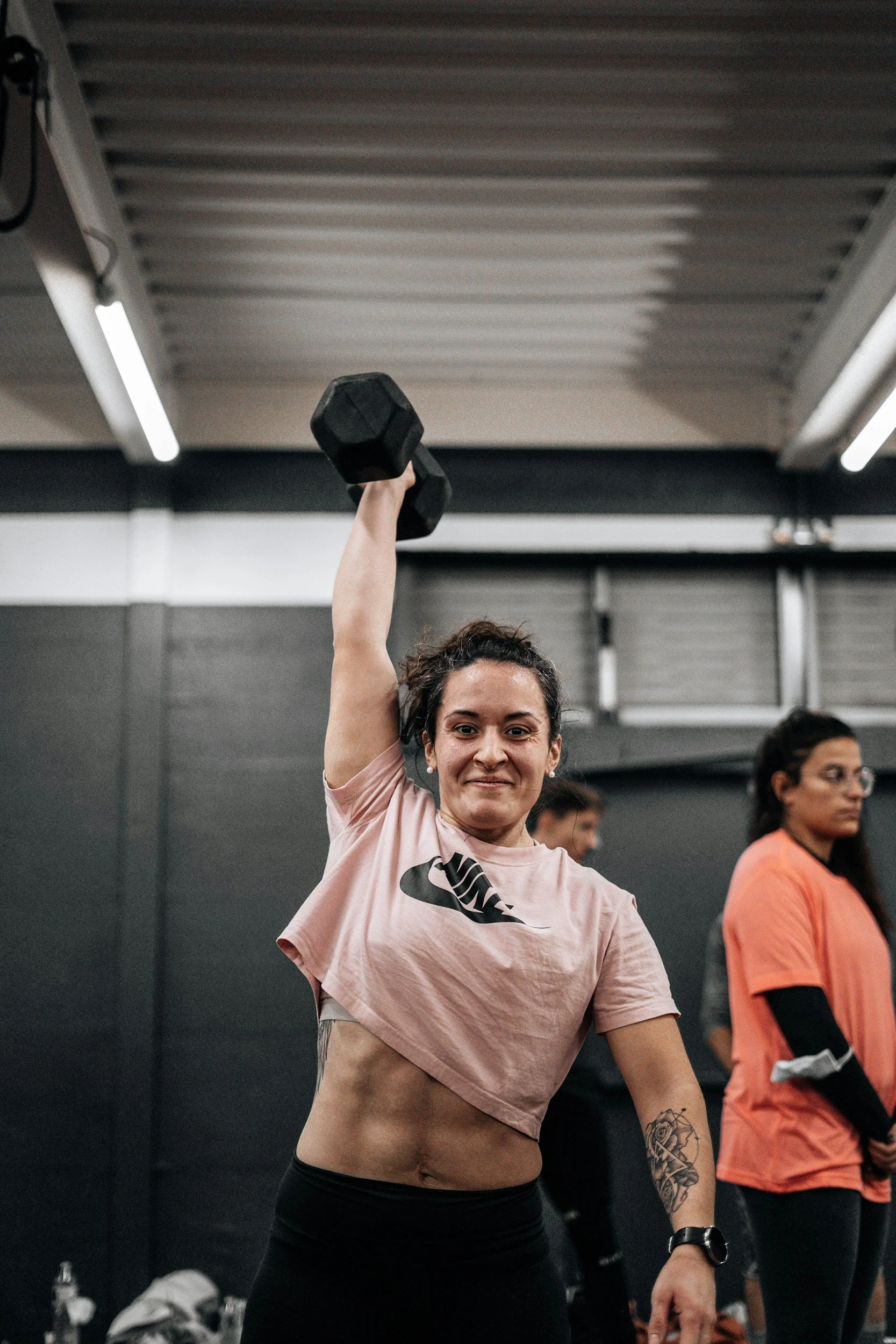
To maximize your metabolic burn, focusing on the "Push" category of the Big Four is essential. Pushing movements primarily target the front of your body and the back of your arms, using multiple joints to create a massive energy demand.
Top Examples of Push Exercises
Overhead Press (Shoulder Press): Pushing weight vertically above your head.
Chest Press (Bench Press or Floor Press): Pushing weight away from your chest.
Push-Ups: Using your own body weight to push away from the floor.
Dips: Pushing your body weight upward using parallel bars or a bench.
Primary Muscles Worked
Pectorals (Chest): The main drivers for horizontal pushing.
Deltoids (Shoulders): Crucial for all pushing, especially vertical movements.
Triceps: The muscles on the back of your arms that help straighten the elbow.
Core (Stabilizers): Essential for maintaining a solid "trunk" so you can transfer power effectively.
How Pushing Boosts Your Metabolism
High Fiber Recruitment: Because these are compound movements, you aren't just working one muscle; you are engaging dozens. This requires a massive amount of ATP (cellular energy), which spikes your calorie burn during the session.
Increased Muscle Density: The chest and shoulders are large muscle groups. Adding even a small amount of lean mass to these areas increases your Basal Metabolic Rate (BMR), meaning you burn more calories even while sitting at your desk or sleeping.
Hormonal Response: Intense pushing movements signal the body to release growth-related hormones. These hormones help mobilize stored body fat to be used as fuel for muscle repair.
The "Afterburn": After a heavy pushing session, your body enters a state of Excess Post-exercise Oxygen Consumption (EPOC). Your metabolism stays elevated for 24–48 hours as it works to repair the micro-tears in the muscle fibers.
By focusing on these "Push" patterns, you are building a larger, more efficient engine that handles a calorie-controlled diet much more effectively.
pull
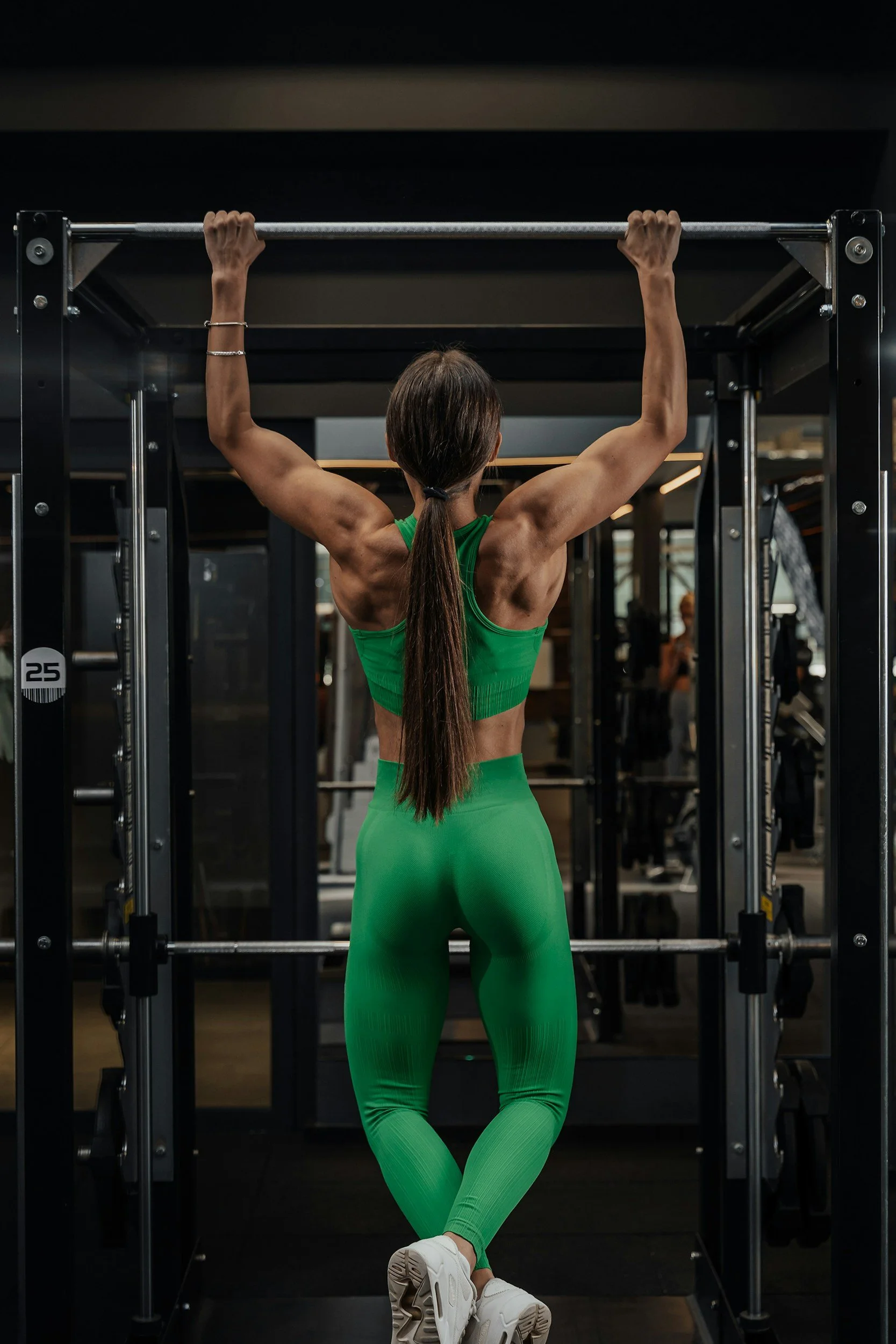
Pull exercises are the "backbone" of any metabolic protocol. They focus on the posterior chain (the back of your body), which contains some of the largest and most metabolically active muscle groups in the human body.
Top Examples of Pull Exercises
Rows (Barbell, Dumbbell, or Cable): Pulling a weight toward your torso horizontally.
Pull-Ups or Lat Pulldowns: Pulling your body weight up or pulling a bar down vertically.
Face Pulls: Using a cable or band to pull toward your forehead (excellent for posture).
Bicep Curls: A smaller, isolation pull movement that focuses purely on the arms.
Primary Muscles Worked
Latissimus Dorsi (Lats): The large "wing" muscles on your sides that create a powerful V-taper.
Trapezius and Rhomboids: The muscles in the middle and upper back responsible for pulling your shoulder blades together.
Posterior Deltoids: The back of the shoulders, which helps with joint stability.
Biceps: The front of the arms that assist in all pulling movements.
Forearms and Grip: Pulling movements are the best way to develop functional grip strength.
How Pulling Boosts Your Metabolism
Large Muscle Activation: Because the back contains multiple massive muscle groups, pulling exercises require a huge amount of oxygen and energy to perform. This results in a higher caloric burn during your workout.
Postural Correction: Strengthening the "pull" muscles opens up your chest and pulls your shoulders back. Better posture leads to better breathing and movement efficiency, which keeps you more active throughout the day.
Muscle Preservation: Pulling movements are essential for maintaining the dense muscle of the back. As you stay in a calorie deficit, these exercises signal your body to keep its "armor," ensuring your metabolic rate doesn't drop.
Structural Balance: Focusing on the back helps balance out the "push" movements, preventing injury and allowing you to train consistently, which is the key to long-term metabolic health.
The Goal: Incorporate at least two pulling movements twice a week to build a strong, metabolically efficient upper body.

squat
The squat is often called the "King of Exercises" for metabolic health. Because it targets the largest muscle groups in the body, it is the most effective movement for burning calories and stimulating a powerful metabolic response.
Top Examples of Squat Exercises
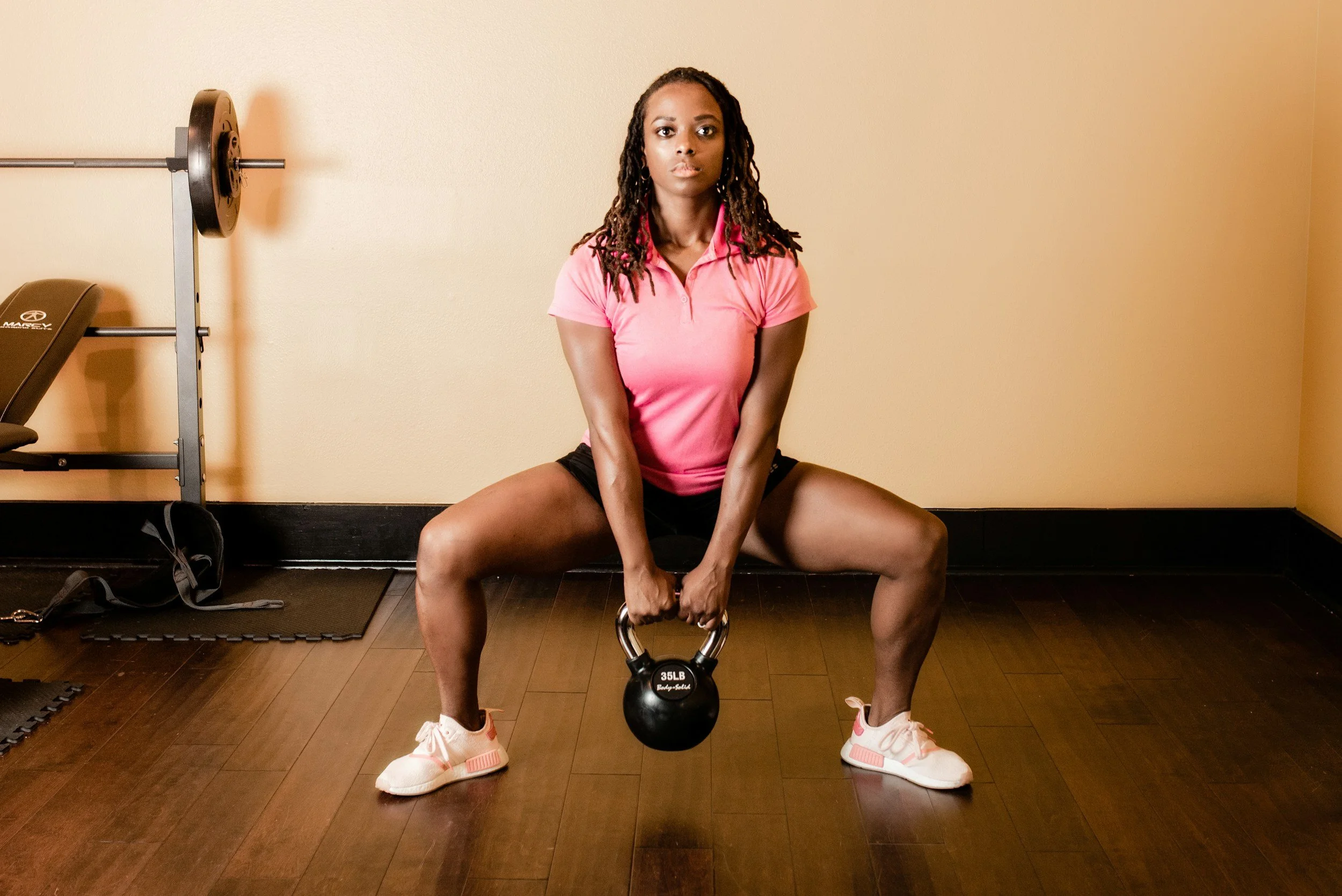
Goblet Squat: Holding a weight at your chest; the best version for maintaining perfect form.
Bodyweight Squat: A foundational movement using just your own weight—perfect for high-repetition "burns."
Split Squat (or Lunges): A single-leg variation that challenges balance and stability.
Barbell Back/Front Squat: The gold standard for building strength and high-density muscle.
Primary Muscles Worked
Quadriceps: The large muscles on the front of your thighs.
Gluteus Maximus: Your glutes are the biggest muscle group in the body and a major metabolic driver.
Hamstrings: These work to stabilize the knee and provide power during the upward phase.
Core & Lower Back: Your midsection must work overtime to keep your torso upright and protected.
How Squatting Boosts Your Metabolism
Massive Caloric Demand: Moving your entire body weight (plus added resistance) through a full range of motion requires more energy than almost any other movement. This spikes your heart rate and caloric expenditure instantly.
Maximum Hormonal Output: Large-scale movements like squats trigger the highest natural release of growth-related hormones. These are essential for burning fat and maintaining the muscle mass that keeps your metabolism fast.
"The Furnace" Effect: By building lean mass in your legs and glutes, you are essentially "upgrading the engine" of your body. These muscles require a lot of energy to maintain, meaning you burn more calories 24/7.
Blood Sugar Management: Your leg muscles are massive "glucose sinks." Squatting helps your body clear sugar from the bloodstream more effectively, improving insulin sensitivity.
Pro Tip: Even 2–3 sets of bodyweight squats can "re-prime" your metabolism during a long day of sitting..
hinge
Hinge movements are often the "missing link" in metabolic health. Unlike a squat which is "knee-dominant," a hinge is "hip-dominant"—think of it like a car door closing or bowing at the waist. This movement targets the Posterior Chain, which includes the most powerful muscles in your body.
Top Examples of Hinge Exercises
Kettlebell Swings: A dynamic hinge that builds explosive power and spikes the heart rate.
Romanian Deadlift (RDL): A controlled movement focusing on stretching and contracting the hamstrings.
Glute Bridges or Hip Thrusts: The best way to isolate the glutes with minimal stress on the lower back.
Good Mornings: A hinge performed with a bar on the shoulders (focuses heavily on the lower back and hamstrings).
Primary Muscles Worked
Gluteus Maximus (Glutes): The powerhouse of the body and your largest metabolic engine.
Hamstrings: The muscles running down the back of your thighs.
Erector Spinae: The muscles supporting your spine and lower back.
Core: Your abdominals must remain "braced" to protect your spine during the movement.
How Hinging Boosts Your Metabolism
The Glute Factor: Since the glutes are the largest muscle group, training them through hinging creates a massive demand for energy. The more you develop these muscles, the higher your Basal Metabolic Rate (BMR) becomes.
Posterior Chain Power: Most people are "quad-dominant" from sitting. Hinging balances your body, allowing you to move more weight and stay active without injury, which is key for consistent weight loss.
Intense Afterburn: Hinge movements are taxing on the central nervous system and large muscles. This leads to a significant EPOC (Afterburn) effect, where your body continues to burn extra calories for up to 48 hours to repair the tissue.
Functional Strength: A strong hinge makes every other activity—from walking to lifting groceries—easier and more "metabolically expensive" (meaning you move more efficiently and burn fat better).
Summary: If you want to maximize fat loss, you cannot skip the hinge. It builds the "armor" on your back and the "engine" in your hips.